
| 2545 Views |0 Likes
Technical Background: High Moisture and High Organic Content in Sludge Pose Treatment Challenges
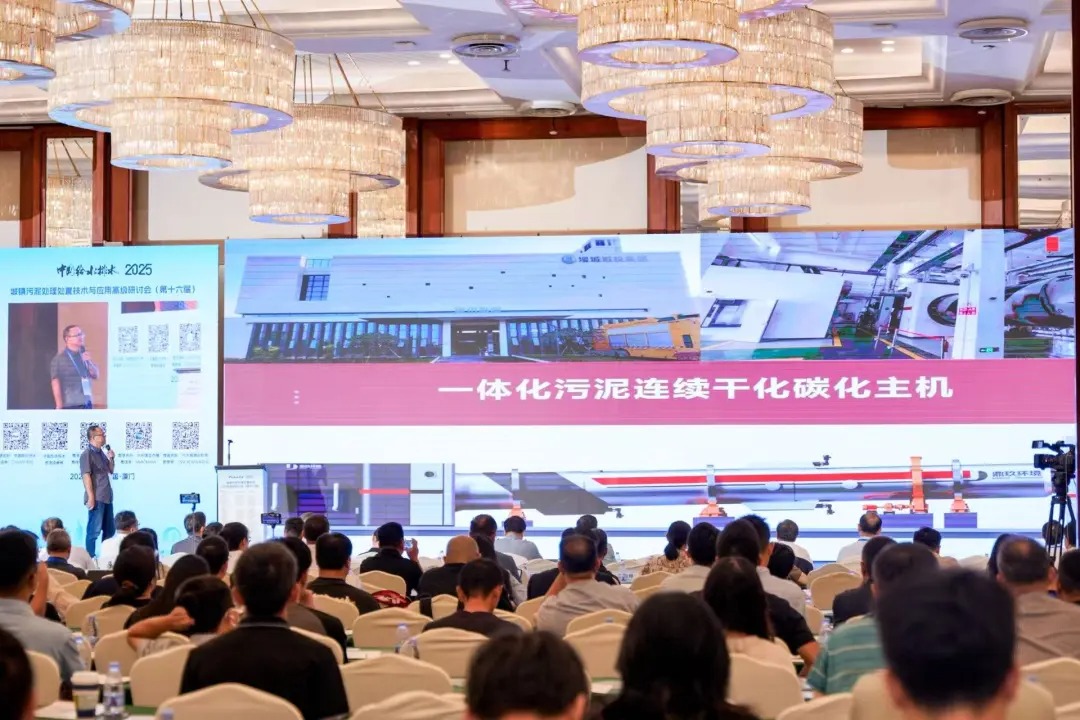
Industry Trends: 2025 Advanced Seminar on Urban Sludge Treatment and Disposal Technologies and Applications
Core Technology: Integrated Continuous Sludge Drying and Carbonization System
Demonstration Case: Guangzhou Zengcheng Sludge Carbonization Project
Project Overview
-
Located at Zhongxin Underground-type Reclaimed Water Plant in Zengcheng District, Guangzhou
-
The reclaimed water plant has a planned construction scale of 100,000 tons per day, with phase I constructed at 50,000 tons per day
-
The supporting sludge carbonization project is built in two phases, with Phase I construction scale of 35 tons per day, put into commercial operation on January 1, 2025
-
Adopts the “plate-and-frame dewatering + integrated continuous sludge drying and carbonization” process, with sludge organic matter content of 35%–40%
Key Operational Indicators
-
Actual system capacity: 40–45 tons per day
-
Startup time of the drying and carbonization main unit: 9 hours; shutdown time: 6 hours
-
Gas consumption for startup: 350 m³; gas consumption for shutdown: 150 m³
-
Sludge organic matter content: 40%
-
Average moisture content of plate-and-frame dewatered sludge: 57%–58%
-
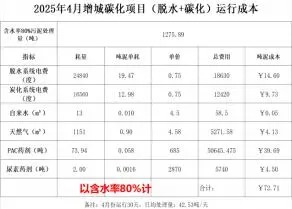
Operating cost: 72.71 yuan/ton
-
Plate-and-frame dewatering + continuous drying and carbonization direct consumption operating cost: 72.71 yuan/ton
-
Of which, the drying and carbonization cost is only 18.41 yuan/ton
-
Compared with "drying + co-processing", two stages are eliminated, making the sludge drying and carbonization operating cost equivalent to the sludge transportation cost.

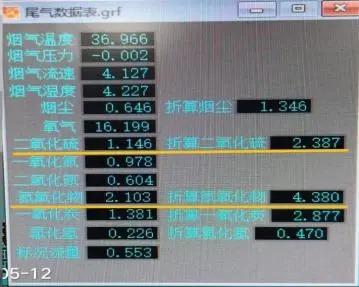
Environmental Benefits: Near-Zero Tail Gas Emissions
Technical Sharing Part 1: Low Energy Consumption is the Root Cause of Low Costs
System Composition
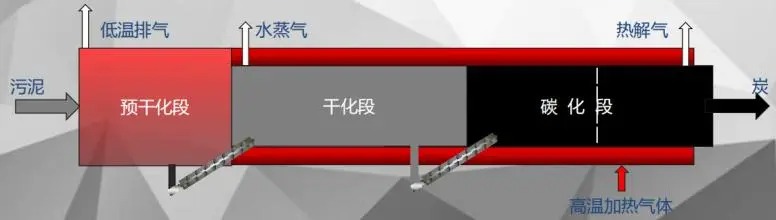
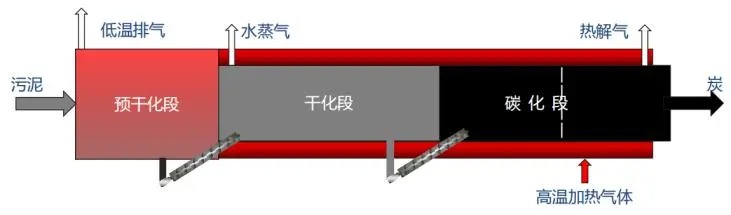
The essence of the integrated sludge continuous drying and carbonization equipment is three units in one:
-
Low-temperature direct drying
-
Medium-temperature indirect drying
-
High-temperature anoxic carbonization
The system is simple, with high thermal efficiency.
Structural Advantages
-
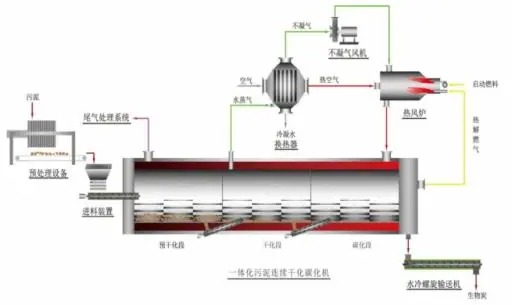
Only three main pipelines: heat carrier (air), steam, and pyrolysis gas
-
Steam heat recovery: cold air is heated to approximately 80℃ entering the hot-air furnace
-
Exhaust temperature is only about 60℃
-
When sludge organic matter is >40% and moisture content is <60%, self-sustaining energy is achieved, with no additional fuel required after startup
-
Steam and pyrolysis gas pipeline lengths are <10 meters, and the air temperature in the heat carrier pipeline is only about 80℃
-
Low power consumption: the integrated drying and carbonization main unit has an operating shaft power of only about 2 kW
Technical Sharing Part 2: Anoxic Carbonization Achieves Near-Zero Tail Gas Emissions
Principle of Anoxic Carbonization
Tail Gas Treatment Process
Steam Sealing: Dingjiu's Unrivaled Expertise
Indirect Drying Eliminates Odors
-
Direct drying: high-temperature hot air contacts the sludge, causing large amounts of VOCs and dust to enter the tail gas, resulting in strong odors
-
Indirect drying: the tail gas does not contact the sludge, ensuring clean emissions
-
The integrated system prevents direct contact between high-temperature hot air and sludge, solving a pain point in the industry
-
For the small amount of odor produced by low-temperature direct drying, molecular sieve adsorption deodorization is added, ensuring environmental safety even when the facility is located in urban areas
Technical Sharing Part 3: Resource Utilization of Biochar Products
Product Characteristics
-
Black particles/powder, rich in nutrients such as phosphorus and potassium
-
Developed pore structure, good adsorption performance
-
Calorific value 600~2500 kcal/kg (depending on organic matter content)
Standard Compliance
-
"Pollutant Control Standards for Agricultural Use of Sludge"
-
"Disposal of Sludge from Municipal Wastewater Treatment Plants - Quality of Sludge for Garden Greening"
-
"Garden Planting Soil" (DB4401T/36-2019)
-
"Organic Fertilizer" (NY/T 525-2021)
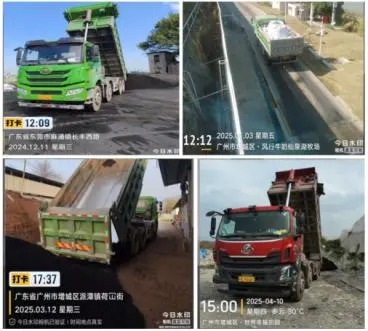
Zengcheng Project Application
Technical Sharing Part 4: Synergistic Application and Waste Heat Utilization
Synergistic Carbonization
Waste Heat Utilization
-
Heating
-
Bathhouses
-
Laundry washing
-
Heating anaerobic systems
Biochar + Biomass
Twelve Years of Focus: The Development History of Dingjiu Environment
-
2013 The team began focusing on sludge carbonization
-
2016 Dingjiu Environment was established, and the first-generation product (10 tons/day) pilot test succeeded
-
July 2018 Second-generation product (45 tons/day) commercial project was put into operation
-
2019 Controlled by state-owned enterprise Qianjiang Biochemical
-
June 2022 Third-generation product (120 tons/day) was put into operation
Conclusion: Two Key Points and Three Major Advantages
Two Key Technical Points
-
Oxygen-free carbonization – simple tail gas treatment process, near-zero emissions
-
Indirect drying – tail gas does not contact sludge, no odor
Three Major System Advantages
-
Fully digital operation and maintenance platform: unmanned operation
-
Annual operating time > 330 days, main engine service life > 20 years
-
Corrosion resistance of materials in contact with gas and solid phases not lower than 316L
"Sticking to it for twelve years, good products speak for themselves!" Dingjiu Environment will, as always, create green, low-carbon, and circular value for customers with products and services that save worry, effort, and money.
(Source: WeChat official account "China Water & Wastewater", original title "Major Breakthrough Technical Sharing: Integrated Sludge Continuous Drying and Carbonization Technology", published on September 17, 2025.)

0 Comments
Post comment