| 1138 Views |0 Likes
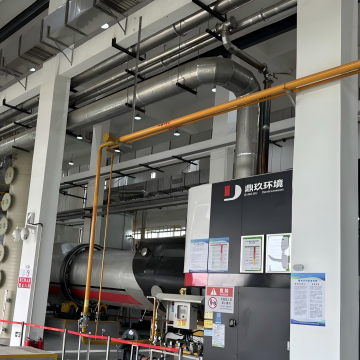
The "Integrated Sludge Continuous Drying and Carbonization Technology" independently developed by Hunan Dingjiu Energy & Environment Technology Co., Ltd. has been implemented and is running stably at a wastewater treatment plant in Guangdong. This technology addresses source reduction and resource utilization, implementing systematic control over the entire sludge disposal process, effectively solving the common pain points in traditional sludge treatment such as difficulty in volume reduction and limited disposal options. Operational results show that this technological route can strongly promote the reduction, harmlessness, and resource utilization of municipal sludge, providing solid technical support for enhancing the precision of environmental governance.
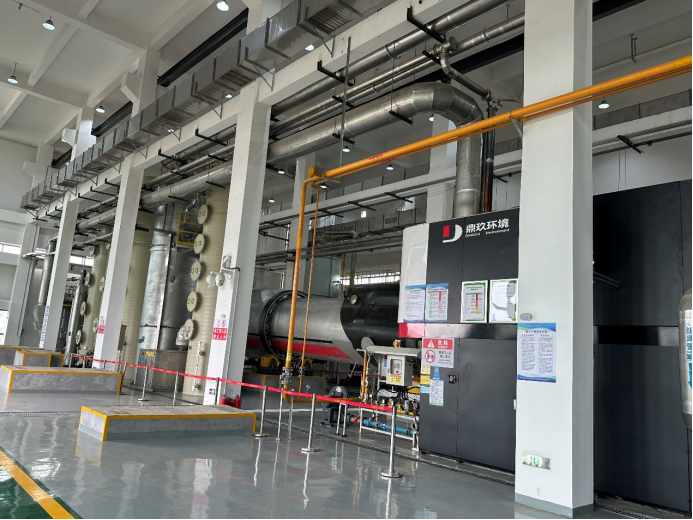
Sludge Carbonization Workshop
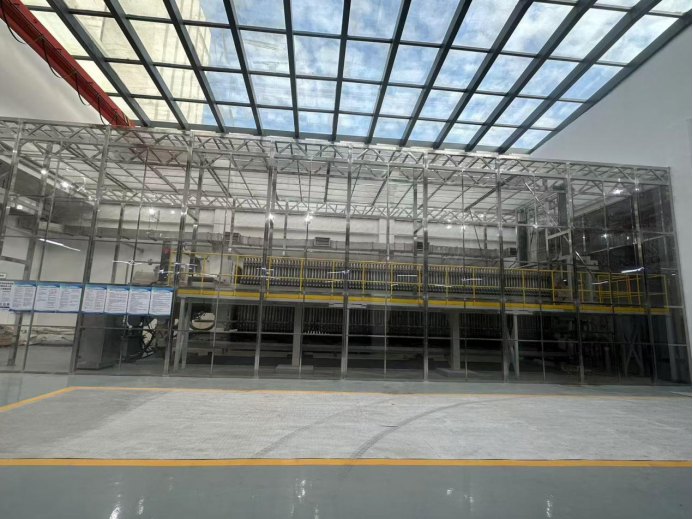
Plate and Frame Dewatering Workshop
Project Introduction
The sludge treatment adopts the technical route of "gravity thickening + plate and frame dewatering + integrated continuous drying and carbonization": sludge with a moisture content of about 98% after gravity thickening is conditioned and then dewatered in a plate and frame filter press to a moisture content of about 60%. The dewatered sludge is then fed into an integrated sludge continuous drying and carbonization machine. After pre-drying, drying, and carbonization, the sludge generates biochar for resource utilization.
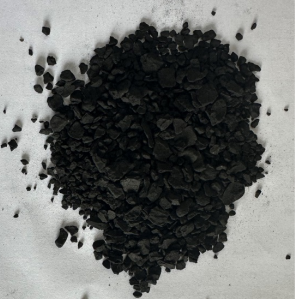
Biochar after Sludge Carbonization
Project Highlights
Low Carbon: In line with the national dual carbon (peak carbon and carbon neutrality) strategy, sludge carbonization converts the biological organic matter in sludge into biochar for permanent sequestration, yielding significant carbon reduction benefits.
Environmental: During high-temperature drying and carbonization, indirect heating and oxygen-free carbonization are adopted, completely isolating the sludge drying and carbonization processes from the environment, with tail gas achieving near-zero emissions.
Energy Saving: The sludge drying and carbonization process fully utilizes pyrolysis gas as system energy. With an organic content of 30% to 35%, only a small amount of additional fuel is needed, achieving nearly self-sustaining operation.
System Integration: The carbonization machine integrates sludge pre-drying, drying, and carbonization in a single unit, featuring high integration and simplicity with few auxiliary equipment.
Plate and Frame Dewatering Workshop The product after sludge carbonization is biochar, sold as raw material for nutrient soil and as an environmental protection fuel. The project completely converts sludge into sellable products within the plant, eliminating dependence on terminal disposal. It also saves transportation costs and avoids regulatory risks.
Founded in 2016 and headquartered in Changsha, Hunan, Dingjiu Environment is a national high-tech enterprise and a specialized and innovative SME. Its shareholders include the inventor of the "Integrated Sludge Continuous Drying and Carbonization Technology" and state-owned listed companies. The company has filed over 40 invention patents in organic solid waste pyrolysis, with 23 authorized, holding 5 international PCT patents and several software copyrights. Focused on the R&D of sludge and solid waste resource utilization technologies and equipment manufacturing, its business covers engineering design, equipment supply, and operation services, committed to becoming a global leader in the future development of sludge carbonization technology.
Contact: Yi Fangzheng, Zhang Haibin
Phone: 0731-81876331
Email: info@hndjhj.com
Website: https://www.hndjhj.com/

0 Comments
Post comment